HELOCs and Tech: How to Keep Loan Volume Up


Updated September 8, 2026
HELOC demand is climbing, but the traditional closing process is a volume ceiling. A standard HELOC closing takes two to six weeks from application to funding, weighed down by scheduling logistics, paper documents, and in-person requirements. That is a problem for lenders trying to keep pace with borrower demand. HELOC eClosings solve it by moving the entire closing workflow online, eliminating the coordination bottlenecks that limit how many loans a team can close in a week.
Key takeaways
- A traditional HELOC closing requires coordinating schedules across the borrower, lender, notary, and often an attorney, which routinely pushes timelines to two to six weeks. HELOC eClosings collapse that window to as few as five business days.
- Lenders using a full eClose eliminate an average of 7.16 days from the processing and funding cycle and save $443.85 per loan compared to paper-based closings.
- Remote online notarization (RON) is the core technology that makes HELOC eClosings possible. RON is now legal in 49 states and the District of Columbia, covering the vast majority of HELOC volume.
- eClosings reduce error rates by automating signature collection and document tracking, which means less rework and more capacity to process additional loans without adding headcount.
- Lenders typically start with remote online notarization as a first step, then move to hybrid eClosings, and eventually to full eClosings as their teams and borrowers grow comfortable with the digital process.
- Borrowers who complete a digital closing report a significantly easier experience than in-person closings, which creates referral potential and strengthens a lender's competitive position.
What is a HELOC eClosing?
A HELOC eClosing is a digital closing process in which some or all of the documents required to finalize a home equity line of credit are signed, notarized, and filed electronically. Instead of requiring every party to appear in the same room, the process moves online through a remote online notarization platform.
There are three common formats:
- RON-only closing: The notarization step is completed remotely via live video with a commissioned online notary. Other documents may still be signed in person or via wet signature.
- Hybrid eClosing: Most documents are signed electronically, but some, such as the security instrument, require a wet signature or in-person notarization depending on state law or underwriter requirements.
- Full eClosing: All documents, including the promissory note filed as an eNote, are signed and notarized electronically. This format delivers the maximum time and cost savings.
Here is how a full HELOC eClosing works in practice:
- The borrower accesses all closing documents digitally and signs electronically from any device.
- Signatures and documents are notarized online through a remote online notarization platform like Proof.
- The promissory note is signed and filed electronically as an eNote.
- Completed packages are instantly available to all parties and stored in a secure archive.
How HELOC eClosings differ from traditional closings
A traditional HELOC closing follows a multi-step process. The borrower submits an application and documentation, an underwriter reviews financials and orders a home appraisal, the lender prepares the lending agreement, and then everyone gathers for the closing itself. At that final stage, the lender, homeowner, notary, and often an attorney all need to be in the same room.
The logistics of coordinating schedules across that many people often meant scheduling weeks ahead of time. Travel time for all parties added to the processing window and limited the number of HELOCs a lender could manage in a week.
With an eClosing, the entire process, or a portion of it, moves online. This eliminates travel, collapses scheduling bottlenecks, and saves time. Lenders using digital closing processes with remote notaries are already closing HELOCs in as few as five business days, a fraction of the traditional timeline.
Benefits of HELOC eClosings for lenders
HELOC volumes are increasing, and lenders are turning to eClosings to reduce time and costs. The benefits are measurable and compound across loan volume:
- Shorter time to closing. eClosings eliminate the need to coordinate schedules and conference room availability. Without the in-person requirement, lenders can move to closing faster. Lenders using digital closing processes are closing HELOCs in as few as five business days.
- Fewer days between closing and funding. By using a full eClose, lenders can eliminate an average of 7.16 days from the processing and funding cycle time. That is capacity returned to the pipeline on every loan.
- Fewer errors. Automation reduces the likelihood of human errors such as missing signatures and missed deadlines. Lenders are able to process more HELOCs in the same time period because there is less rework.
- Direct cost savings. Traditional HELOC closings carry their own set of closing costs, from appraisal and origination fees to attorney charges. eClosings reduce those costs significantly. With remote online notarization, lenders save $211.97 per loan. A hybrid eClose saves $154.52 per loan. Lenders who digitize the entire process with a full eClose save $443.85 per loan.
- Shorter closing appointments. A hybrid eClosing eliminates 99 minutes from the closing appointment. A full eClosing cuts as much as 157 minutes from a transaction. That time savings applies to the borrower, the notary, and the lender's operations team.
- Improved borrower experience. Because less travel is required, times-to-funding are shorter, and errors are reduced, homeowners find the experience significantly easier than a traditional closing. Borrowers who complete a digital closing are more likely to share that experience with others considering HELOCs, which creates a referral channel that paper-based closings do not generate.
How to implement HELOC eClosings
Lenders do not need to overhaul their entire closing operation to start capturing the benefits of eClosings. Most begin with a single step and expand from there.
Step one: Add remote online notarization. Many lenders begin by adding online notarization through Proof as a first step toward digitization. This alone reduces scheduling friction, shortens the closing window, and delivers immediate cost savings. It also gives the operations team and borrowers a chance to get comfortable with the digital process before moving to a more comprehensive eClosing format.
Step two: Move to a hybrid eClose. After seeing the benefits of moving even a single process online, lenders often adopt a hybrid eClose process. This format handles most documents electronically while accommodating any wet signature requirements for specific documents or states.
Step three: Transition to a full eClose. A full eClose delivers the maximum savings in time, cost, and error rate. At this stage, the promissory note is filed as an eNote, and the entire closing package is completed and archived digitally.
The transition from one stage to the next is faster than most lenders expect. The compliance infrastructure, notary network, and identity verification are already in place through the platform. What changes is the scope of documents handled digitally, and that scope can be expanded incrementally as the team builds confidence.
Identity verification in HELOC eClosings
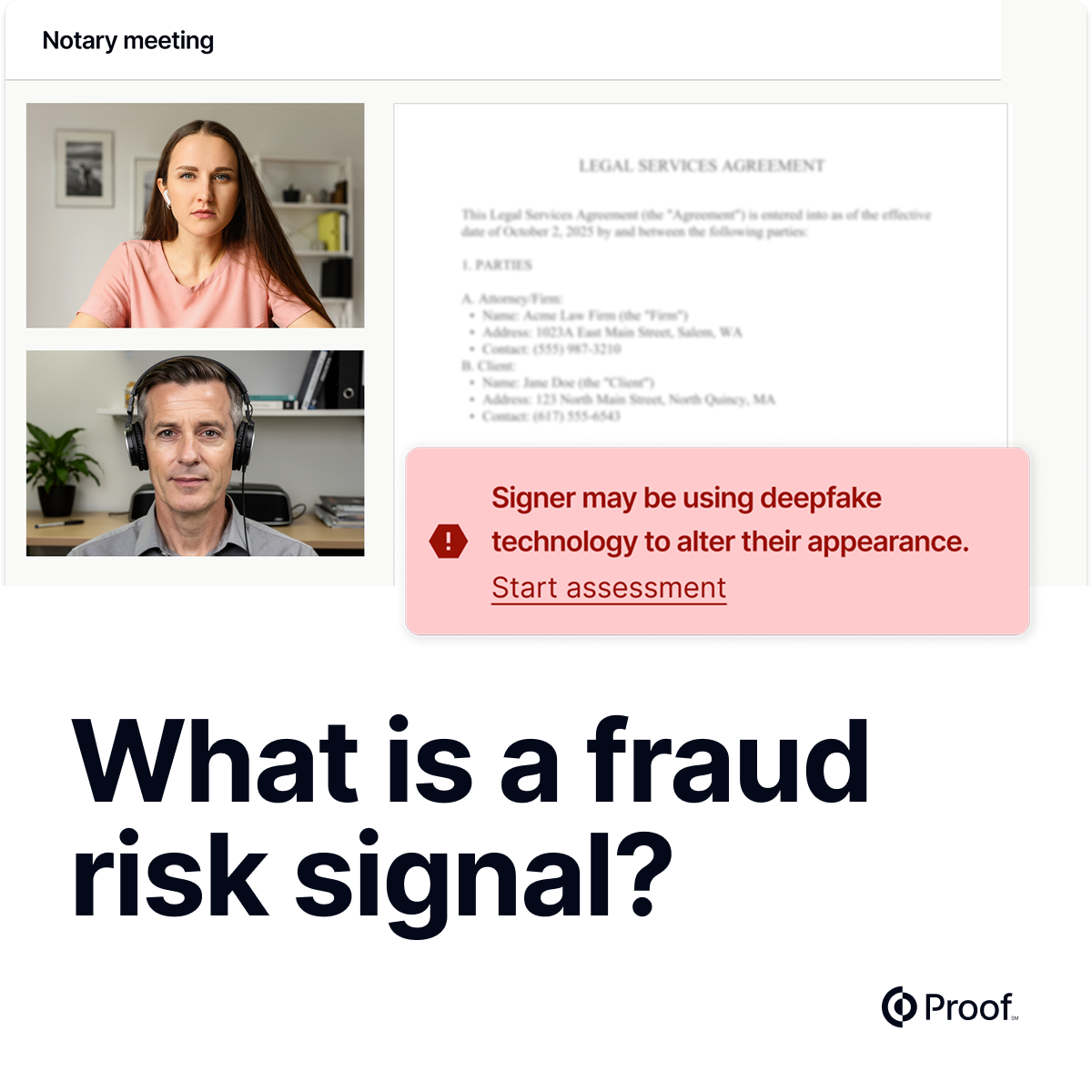
Identity verification is a required component of any HELOC eClosing, and it is also where fraud risk concentrates. A borrower who cannot be confirmed as who they claim to be is a liability at every stage of the closing, from document signing to notarization to funding.
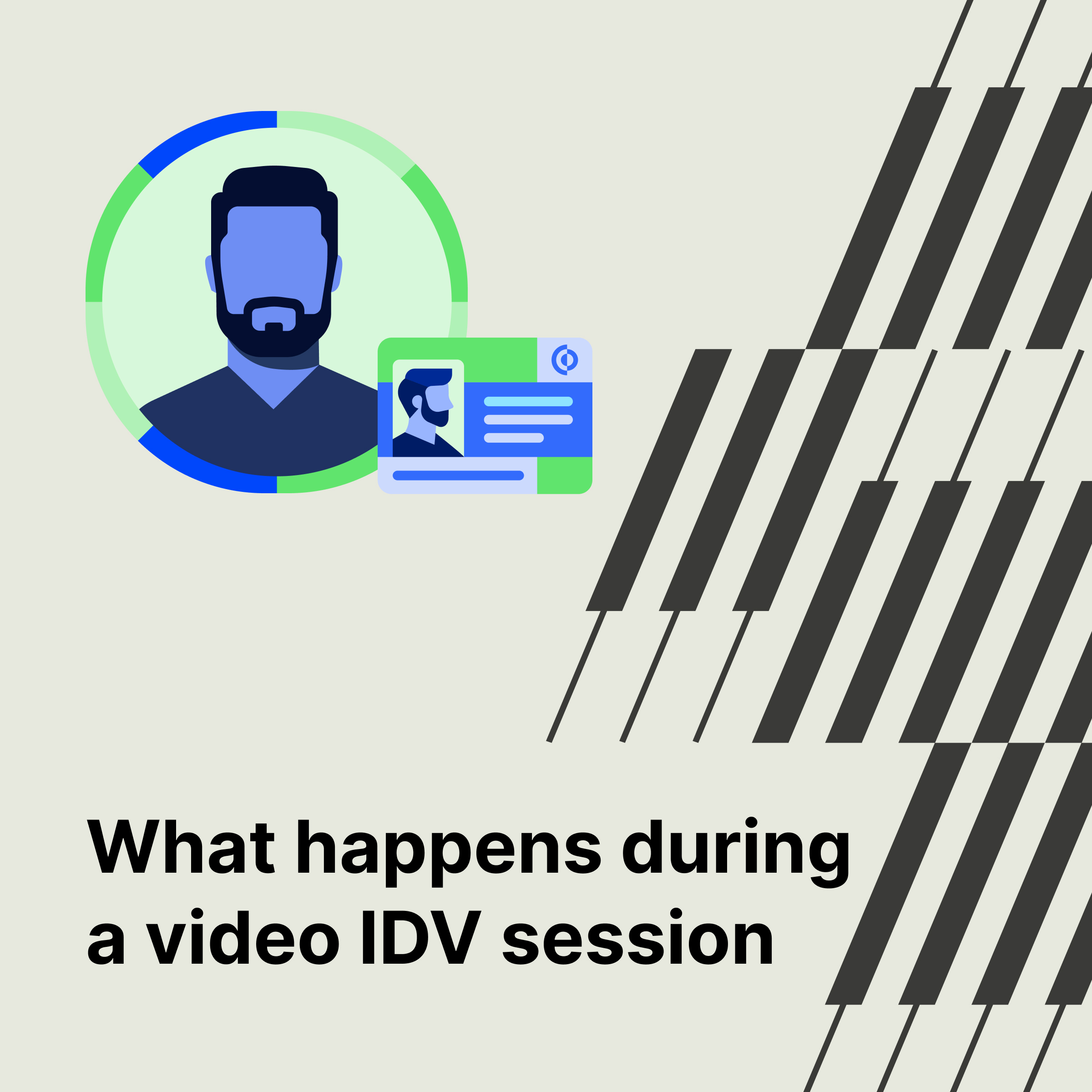
In a traditional closing, identity verification is handled by the notary checking a government-issued ID in person. In an eClosing, that check is performed digitally through a combination of credential analysis, knowledge-based authentication (KBA), and biometric comparison.
Platforms like Proof complete more than 25 identity checks in under five seconds, including document authenticity verification, liveness detection, and biometric matching. If automated verification does not meet the required assurance level, the system routes the borrower to a live trusted agent for review. The result is a detailed identity report that documents every verification step, creating an auditable record that is more defensible than a notary's handwritten log.
This matters for HELOC lenders specifically because home equity fraud is a documented and growing problem. A borrower who passes identity verification at the eClosing stage has been confirmed against government-issued credentials and biometric data, not just a signature on paper.
Getting started with HELOC eClosings
With HELOC volume climbing, now is the right time to move toward eClosings. The operational case is clear: faster closings, lower costs per loan, fewer errors, and a borrower experience that generates referrals rather than complaints.
The compliance infrastructure is in place. RON is legal in 49 states. The technology to handle identity verification, document signing, notarization, and eNote filing exists and is already in use by lenders closing at scale. What remains is the decision to start.
Because homeowners find the process far less cumbersome than a traditional closing, they are likely to share their positive experience with others who may also be considering HELOCs, making digital closing a competitive differentiator and an operational improvement at the same time.


























.jpg)














































.jpg)