
Verified identity for gaming platforms and player transactions
Verified identity for online betting and gaming
Proof verifies who’s behind every account, login, trade, and transaction, so legitimate players move freely and fraud never gets a payout.
Fraud is reshaping the economics of gaming platforms
10.9%
of digital gaming transactions are suspected fraud
TransUnion
$337B
illegal offshore bets targeting US players annually
American Gaming
64%
YoY increase in online gaming fraud in the last 4 years
Sumsub
$3.93
Total losses for every $1 of fraud
LexisNexis Risk
Where Proof fits into gaming workflows

Account creation and onboarding
Verify new accounts and stop bot farms, synthetic identities, and farming activity before they reach the platform.
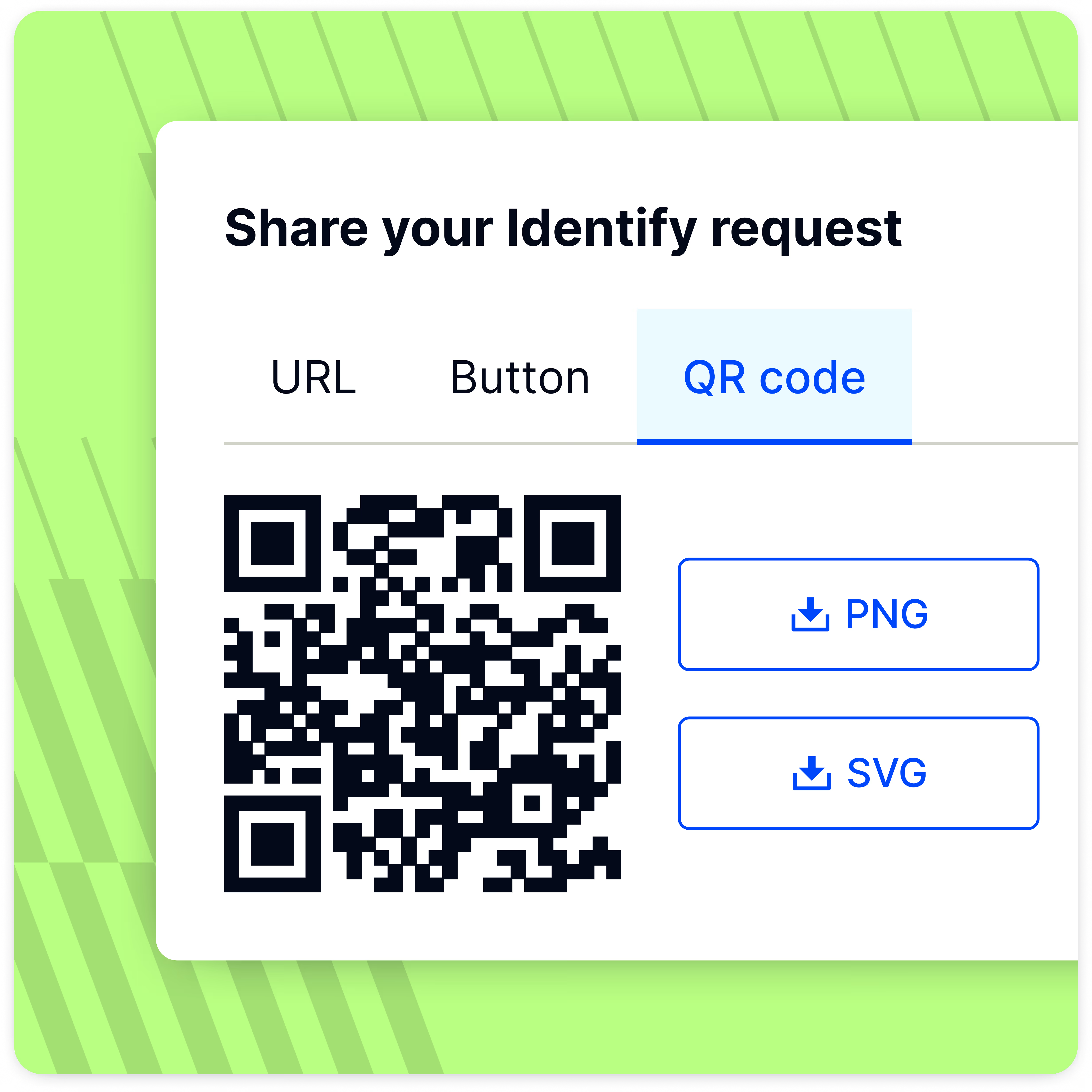
Logins, resets, and device changes
Confirm who is behind recovery attempts, password resets, and suspicious login activity to prevent account takeovers.

Marketplace trades and asset transfers
Tie listings, trades, and digital asset transfers to verified identity to reduce fraud and player disputes.
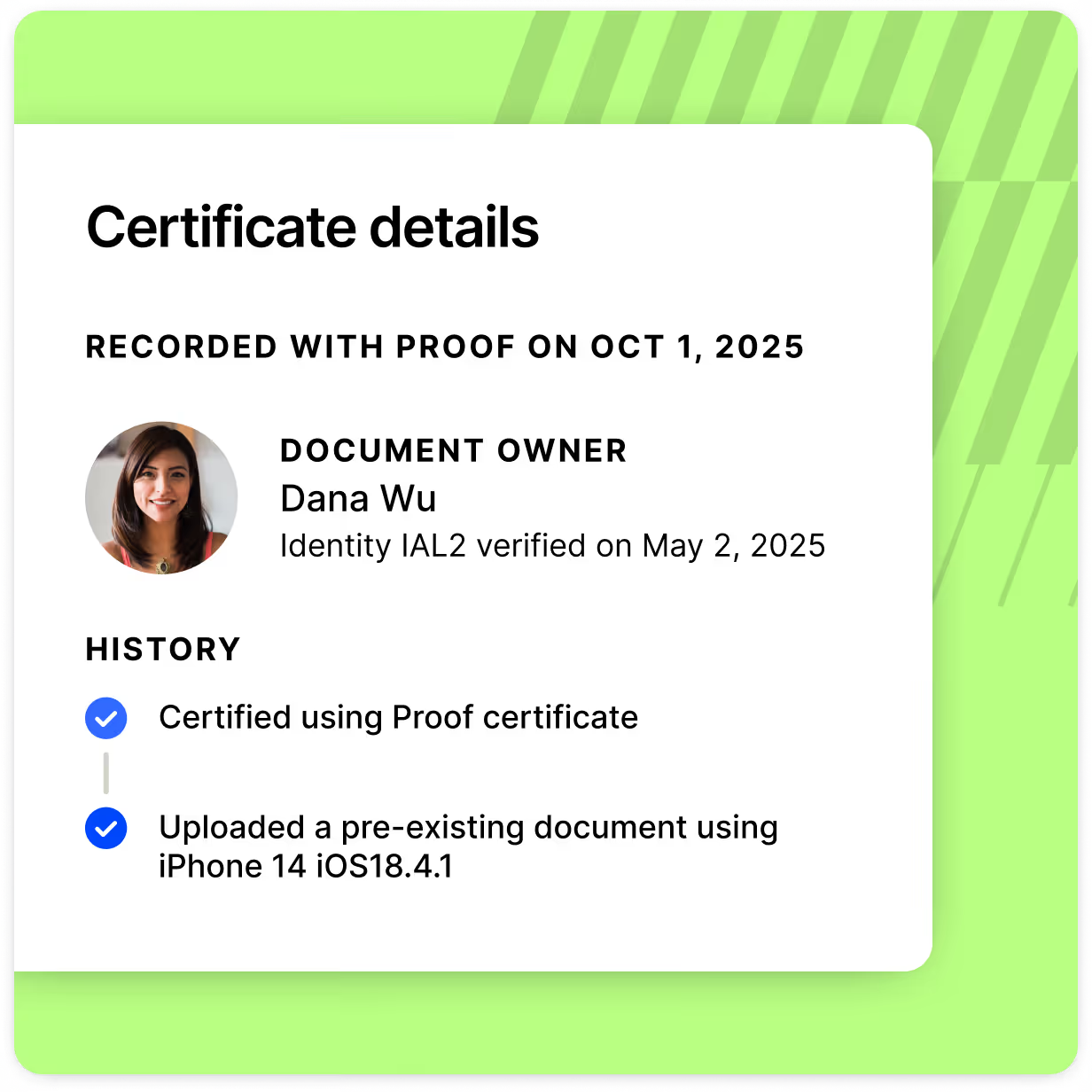
Wallet withdrawals and payouts
Verify high-risk purchases, withdrawals, and payouts to prevent stolen payment activity and refund abuse.

Secure high-risk player actions with verified identity.
Why gaming platforms choose Proof

One identity layer across player actions
Verify who is behind logins, purchases, trades, withdrawals, and payouts using a unified identity framework.

Verification at high-risk moments
Apply identity checks during account recovery, withdrawals, asset transfers, and suspicious activity without interrupting

Defensible records for disputes
Every verified action is tied to a real user with time-stamped records that support fraud investigations and dispute resolution.

Built for digital economies
Proof protects environments where accounts hold valuable assets, stored payment methods, or real-money balances.
Committed to the highest standards
Proof adheres to strict security standards and regulations thoroughly validated by third-party assessors. We are committed to the protection of customer data and accessibility.


Request a demo

Frequently asked questions
Where does Proof fit into a gaming platform?
Proof verifies identity during high-risk moments such as account creation, suspicious logins, account recovery, marketplace trades, withdrawals, and payouts. Platforms can apply verification only when risk increases so normal gameplay remains frictionless.
Will Proof slow down legitimate players?
No. Most platforms trigger verification only during sensitive actions such as account recovery, high-value transactions, or suspicious activity. Legitimate players continue moving through the platform normally.
Why do I need identity verification if our platform already uses fraud tools?
Fraud tools analyze signals and risk patterns across accounts, devices, and transactions. Proof verifies the real person behind high-risk actions such as account recovery, trades, withdrawals, or payouts. This adds a layer of certainty that fraud scores alone cannot provide.
Can Proof be configured by workflow, marketplace type, or risk level?
Yes. Gaming platforms can apply Proof to specific moments such as account creation, suspicious logins, marketplace trades, withdrawals, or payouts. Verification requirements can vary based on the action, transaction value, or risk level.
How can Proof help with payment disputes, refunds, and chargebacks?
Proof ties sensitive actions to a verified identity with time-stamped records. This helps platforms investigate disputes, reduce fraudulent refund requests, and provide stronger evidence during payment or chargeback reviews.
Is Proof compliant with state and federal requirements?
Yes. Proof meets or exceeds all state and local requirements for remote online notarization (RON), identity verification, and electronic signatures, and is accepted in all 50 states.
How long does it take to implement Proof?
Most teams are up and running in under a week. We don’t require any rip-and-replace; Proof fits into your existing systems and processes with minimal lift.
